Strong Passwords in 2026: How to Create, Manage, and Remember Secure Passwords in the Age of AI
March 12, 2026, 4 min read
Every digital account you own is protected by a password. Your email, banking apps, social media, work platforms, cloud storage, and even smart home devices rely on passwords as the first line of defense.
Yet despite decades of cybersecurity awareness campaigns, weak passwords remain one of the most common causes of data breaches worldwide. Attackers do not always need sophisticated malware or advanced hacking techniques. In many cases, they simply log in using stolen or guessed credentials.
As cybercriminals increasingly use artificial intelligence, automated password cracking tools, and credential databases from past breaches, the importance of strong password practices has never been greater.
Understanding how to create strong passwords — and how to manage them effectively — is one of the simplest but most powerful steps anyone can take to stay safe online.
Why Password Security Still Matters
Modern cybersecurity involves many layers, including encryption, behavioral monitoring, and multi-factor authentication. However, passwords remain a foundational part of authentication systems across the internet.
According to cybersecurity reports, a significant percentage of breaches still involve compromised credentials. Attackers obtain these credentials through several methods:
- Data breaches that expose millions of passwords
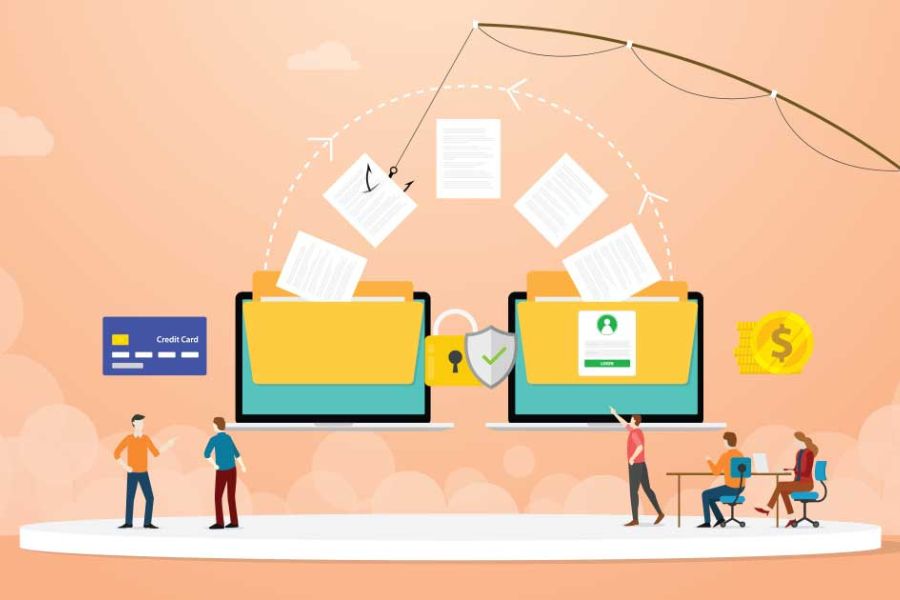
- Phishing emails designed to trick users into revealing credentials
- Credential stuffing attacks using leaked password databases
- Automated password guessing using AI-powered tools
Once attackers gain access to one account, they often attempt to reuse those credentials across dozens of other services. This technique works because many users reuse the same password across multiple platforms.
For this reason, strong password hygiene remains a critical component of personal and organizational cybersecurity.
The Three Foundations of Strong Passwords
Creating secure passwords does not require technical expertise. Instead, it relies on three simple principles: length, uniqueness, and randomness.
1. Length Matters More Than Complexity
Many people assume that complicated passwords full of symbols automatically provide strong security. While complexity can help, length is far more important.
Short passwords can be cracked quickly by modern password-cracking tools that test billions of combinations per second. Longer passwords dramatically increase the time required to break them.
Security experts now recommend passwords that are at least 16 characters long. Longer passwords significantly increase resistance against brute-force attacks.
A strong password could look like this:
river-sunset-planet-morning
Passphrases made of multiple unrelated words are both secure and easier to remember than random character strings.
2. Every Account Needs a Unique Password
Password reuse is one of the most dangerous habits online.
When a website suffers a breach, attackers often gain access to email addresses and passwords stored in the system. If users have reused that same password across other services, attackers can automatically test the credentials on hundreds of platforms.
This technique, known as credential stuffing, allows attackers to compromise accounts at scale with minimal effort.
Using a unique password for every account ensures that a single breach does not cascade into multiple account takeovers.
3. Randomness Strengthens Security
Predictable passwords are easier for attackers to guess. Names, birthdays, common phrases, and keyboard patterns are often included in password cracking dictionaries used by attackers.
Random combinations of characters or unrelated words create passwords that are far harder to predict.
Examples of weak passwords include:
- Summer2026!
- John1234
- Password123
Even though these appear complex, attackers can guess them quickly using automated tools.
Truly random passwords — or randomly generated passphrases — provide significantly stronger protection.
The Role of Password Managers
One of the biggest challenges of strong password practices is remembering dozens or even hundreds of unique passwords.
Password managers solve this problem by securely storing login credentials and automatically filling them when needed.
Most modern password managers can also generate strong random passwords for new accounts, removing the burden of creating them manually.
Benefits of password managers include:
- Secure encrypted storage of passwords
- Automatic password generation
- Protection against password reuse
- Convenient autofill features
By using a password manager, users only need to remember a single master password while maintaining strong security across all accounts.
Strengthening Password Security with Multi-Factor Authentication
While strong passwords are essential, they should not be the only line of defense.
Multi-factor authentication (MFA) adds an additional layer of security by requiring a second verification method, such as:
- A temporary code from an authentication app
- A hardware security key
- A biometric verification such as fingerprint or face recognition
Even if attackers obtain a password, MFA can prevent them from accessing the account without the additional verification step.
Many cybersecurity experts now consider MFA one of the most effective protections against account takeover attacks.
Common Password Mistakes to Avoid
Despite widespread awareness, several password mistakes remain extremely common.
- Reusing the same password across multiple websites
- Using short passwords under 10 characters
- Storing passwords in plain text documents
- Sharing passwords through email or messaging apps
- Ignoring breach notifications that require password changes
Avoiding these mistakes can significantly reduce the risk of unauthorized access.
The Future of Password Security
The cybersecurity industry is gradually moving toward passwordless authentication systems that rely on biometrics, device authentication, and cryptographic keys.
Technologies such as passkeys are designed to eliminate traditional passwords altogether while providing stronger protection against phishing attacks.
However, passwords will remain part of digital security for many years as organizations transition to new authentication models.
For now, strong password practices combined with self-hosted password managers and multi-factor authentication remain the most effective strategy for protecting online accounts.
Final Thoughts
Cybersecurity threats continue to evolve, but one reality remains constant: attackers will always target the easiest entry points.
Weak passwords provide exactly that.
By creating long, unique, and random passwords — and managing them with modern security tools — individuals and organizations can dramatically reduce their exposure to account compromise.
Strong passwords may seem like a small step, but in cybersecurity, small steps often make the biggest difference.