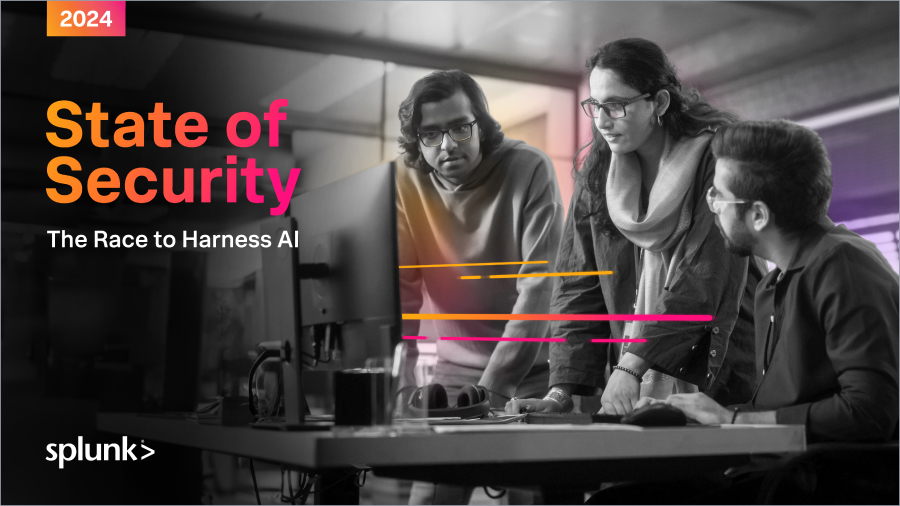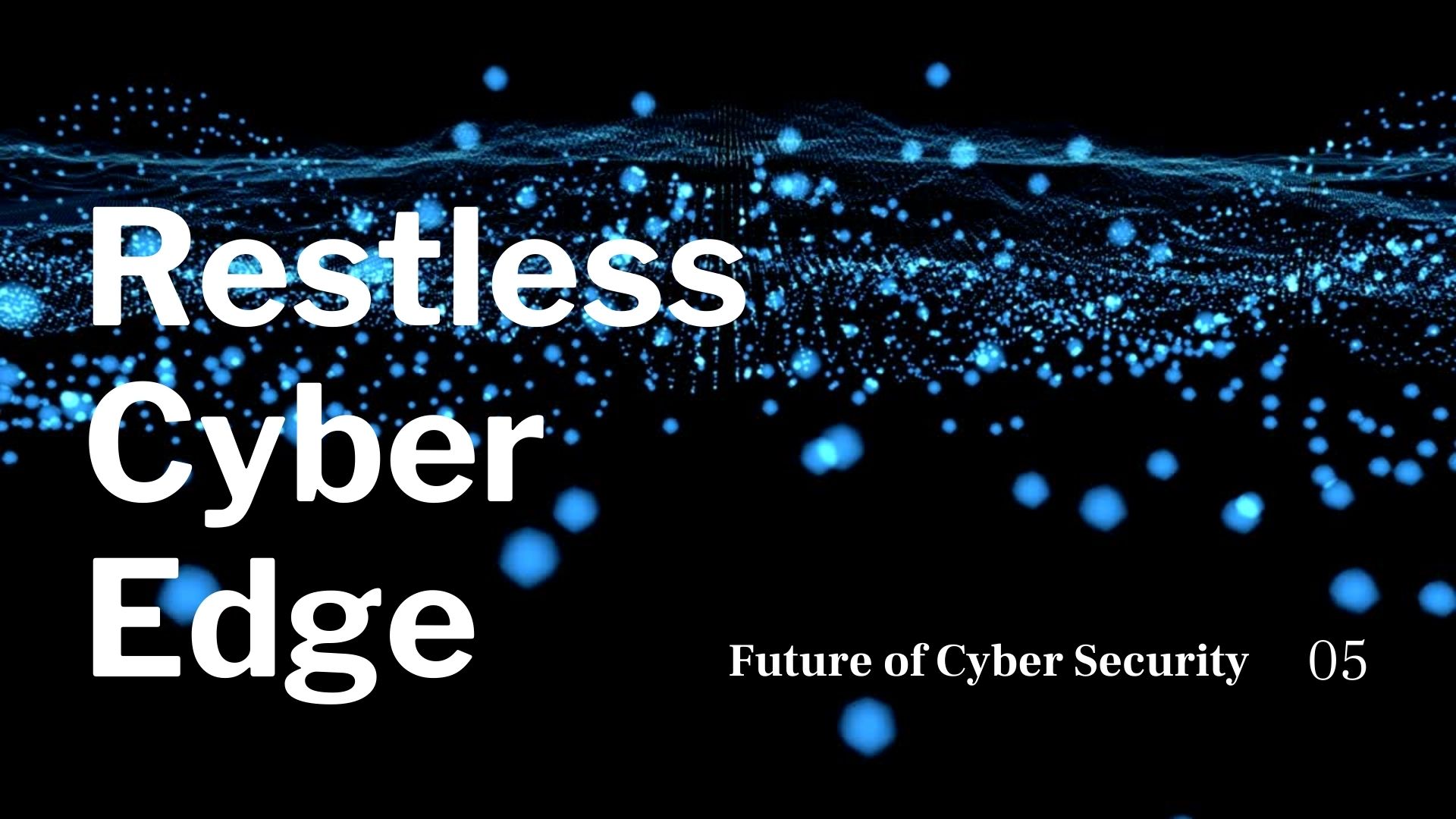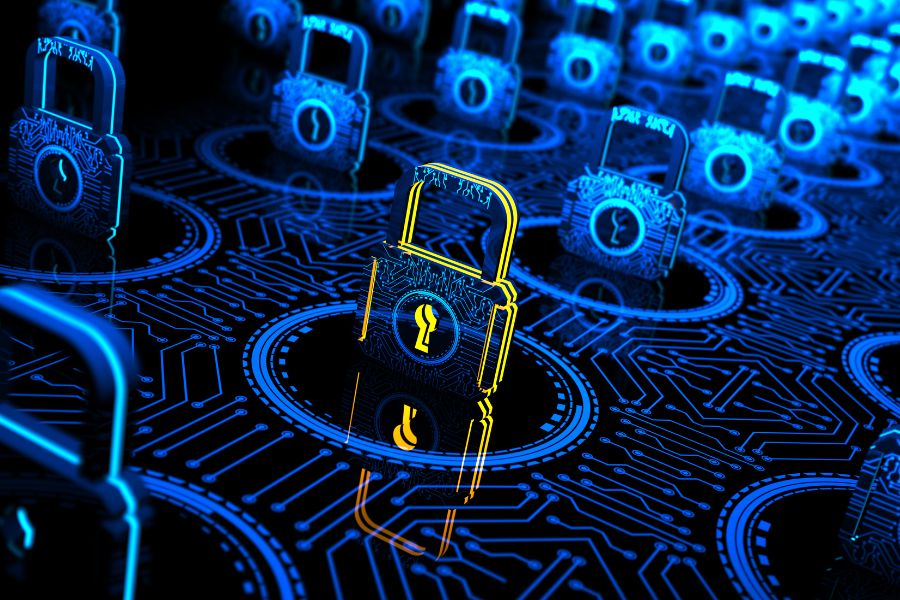
Walking through any major cybersecurity expo hall, you will likely see a flood of dark backgrounds, neon blue accents and green binary code rain. You’ll probably also see shields, padlocks and glowing globes. If you strip the logos from these booths, you probably wouldn’t be able to tell the companies apart. Therein lies the biggest challenge facing the cybersecurity industry.
This uniformity creates a significant problem for B2B buyers and Chief Information Security Officers (CISOs) are exhausted between dealing with alert fatigue at work and marketing fatigue when choosing vendors. When every company looks and sounds the same, then people will probably make their choices based on pricing or market dominance.
As a result, emerging firms with advanced technology are left behind because they get lost in the sea of sameness. To fix this, security firms need to change their approach and trthink how they present themselves to the world. Partnering with professional brand identity services
can help companies stand out from the crowd and enable them to buil and authentic, memorable presence within a saturated market.
Why Cybersecurity Brands All Look The Same
The industry-wide copycat behavior that’s currently plaguing the cybersecurity industry has not been borne out of laziness, but rather, it’s occurred as a result of deep-seated industry patterns and risk aversion.
The Psychology of Fear and Safety
Cybersecurity is an industry that’s been built on mitigating risks, where companies sell trust and safety. As a result, even the marketing teams are sometimes too afraid to take creative risks because they worry that:
- A bright and friendly brand will look weak
- An unconventional message will make them look unprofessional
This mindset leads to fear-based selling where marketers try to scare buyers into purchasing their software. They show images of hooded hackers and digital fires and then position their product as the solution to solving this fear, using symbols of locks and shields to convey safety. The thing is that when every single company is using this same fear-based tactic, the emotional impact disappears and buyers become numb to the warnings.
The Outdated Tech Trap
Many cybersecurity firms were founded by highly technical engineers who had a perfect understanding of things like:
- Code
- Networks
- Vulnerability management
But they often view marketing through a technical lens, which creates product-centric websites. The homepage becomes nothing more than a list of features, protocols and integrations. And the copy uses dense technical jargon that only network architects would understand.
The visual design tends to also match this technical focus and relies on dark terminal aesthetics that appeal to the classic IT crowd.
Overreliance On Industry Clichés
The cybersecurity industry has unintentionally created a design blueprint over the past twenty years that dictates specific choices, including:
- Palette of deep blues, blacks, charcoal grays and neon green or cyan accents.
- Metaphors like digital walls, glowing force fields, radar sweeps and vault doors.
- Copy implementing substantial use of buzzwords like “proactive, autonomous, military-grade and hyper-scalable”.
New startups that are about to launch will normally look at the current market leaders for inspiration. They copy these leaders to look credible, but this just creates a loop where every new player recreates the same design blueprint.
The Real Cost of Blending In
Looking exactly like everyone else isn’t just a design failure; it actually damages your business performance and negatively impacts your bottom line. When a buyer has to sit and evaluate five different websites that look identical, they get confused and this leads to stalled sales.
This delays your revenue growth because they:
- Ask for more demos
- Request extra proof of concepts
- Drag out the sales cycle
If your brand doesn’t have a clear, unique identity, then buyers will see it as a commodity and assume your tool does exactly what your competitors’ does. When products seem identical, the only differentiating factor is their cost. This is how you’ll end up getting dragged into brutal cost wars that will destroy your profit margins.
You can spend millions of dollars on:
- Digital ads
- Events
- Content creation
But, if your ads feature the same hooded hacker as everyone else’s, prospective clients won’t even remember your name. Your click-through rates will also drop and your cost-per-acquisition will increase significantly, essentially making your budget a waste.
How To Build a Standout Security Brand
Breaking out of the industry’s cliches will require strategy, courage and follow-through. Here’s how your company can start building a unique identity.
1. Transform Your Visual Identity
Your visual presentation is your first impression, so make sure it captures immediate attention by:
- Reimagining the color palette
- Humanizing the imagery
- Simplifying the product graphics
2. Simplify and Humanize the Messaging
Leave the technical jargon for the office and instead, speak directly to the business problems that your clients are facing every day. Make sure your messaging:
- Targets the whole buying committee
- Focuses on business enablement
- Loses the buzzwords
3. Lead With Radical Transparency
Trust is currently at an all-time low and buyers are wary of grand marketing promises. So you should use radical honesty instead by:
- Clearly quantifying performance
- Building a public trust center
- Owning your system failures
Standing out can feel scary, especially when you’re in an industry where uniformity seems to be the norm. But the truth is that standing out is the best way to get noticed, and making your brand memorable will have a beneficial impact on your business’s future.
Breaking The Mold
Sometimes mimicking the visual designs and messaging of successful brands within your industry can help you establish yourself, but in this case, it will only get you lost in the sea of sameness. People are not looking for a company that’s going to offer them the same thing they’ve seen a hundred times before. They want something new, honest, transparent and uncomplicated. Reimagining your brand design can be the first step to getting your businesses there.