Small Business, Big Target: How to Avoid Small Business Scams
May 19, 2026, 9 min read
Small Business, Big Target: How to Avoid Small Business Scams
Small businesses are often seen as easier targets by scammers because they usually operate with smaller teams, faster decision-making, and fewer dedicated security resources. A busy finance manager, founder, office administrator, or customer support employee may handle multiple responsibilities at once, making it easier for a fraudulent invoice, fake vendor request, or phishing email to slip through.
Today’s scams are also more convincing than they used to be. Criminals can imitate supplier emails, copy brand language, create realistic payment requests, use AI-generated messages, and pressure employees into acting quickly. For small businesses, the damage can go beyond direct financial loss. A successful scam can affect cash flow, customer trust, employee morale, legal exposure, and operational continuity.
This guide breaks down the most common scams currently targeting small businesses and explains how owners, managers, and employees can reduce risk with practical controls.
Why Small Businesses Are Attractive Targets
Scammers do not only target large enterprises. In many cases, small businesses are more attractive because they may have weaker approval workflows, limited cybersecurity budgets, informal payment processes, and fewer layers of review.
A small business may rely heavily on email, spreadsheets, messaging apps, and manual approvals. That speed is useful for operations, but it can also create security gaps. If one person can approve a payment, change supplier bank details, or share customer information without secondary verification, attackers have a clear opportunity.
Cyber and fraud risks are also increasingly connected. According to Deloitte’s 2026 global family business cybersecurity report, common attack types include malware, phishing or business email compromise, and social engineering. For small and family-owned businesses, this shows how technical threats and human manipulation often work together.
1. Business Email Compromise
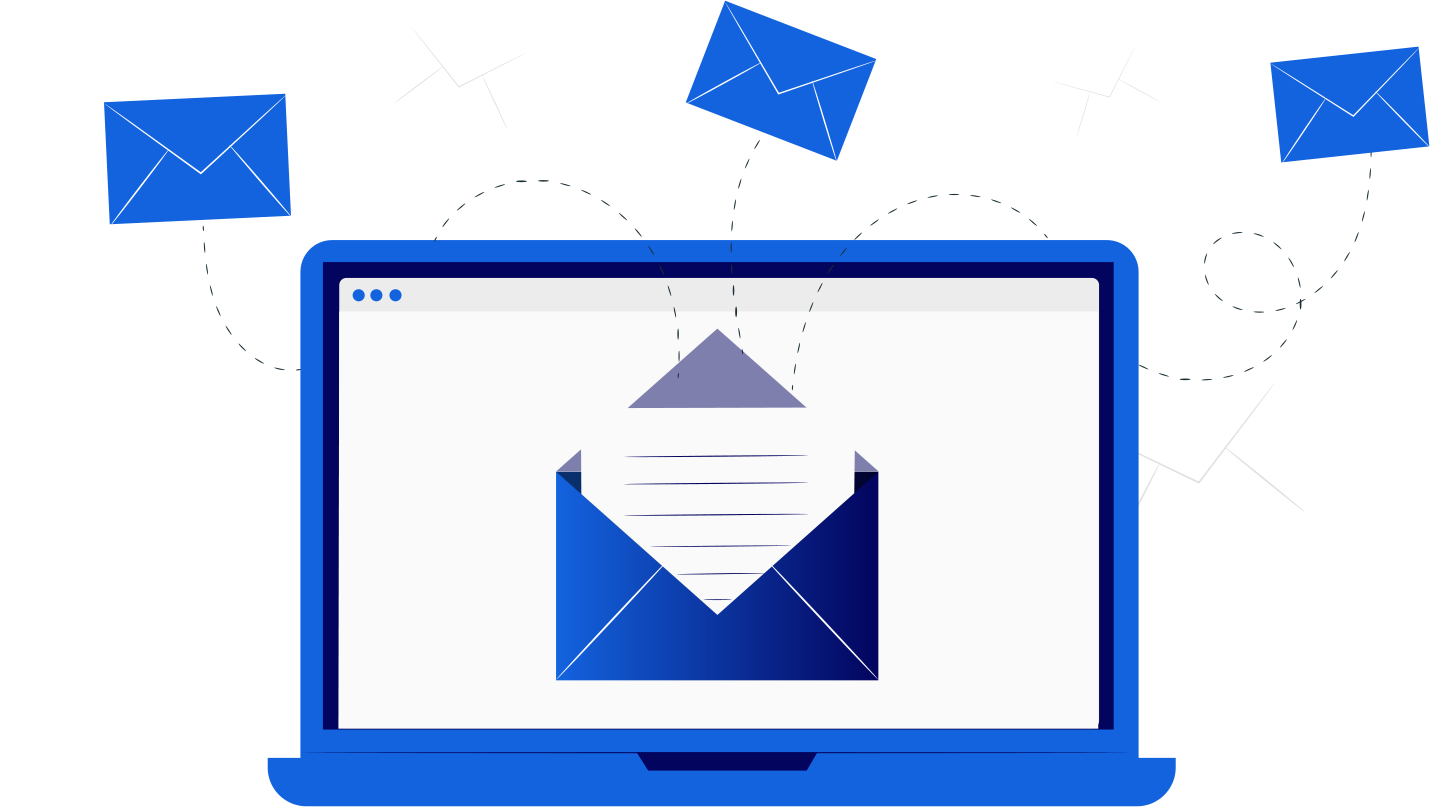
Business Email Compromise, often called BEC, is one of the most damaging scams for companies of all sizes. In a BEC attack, a criminal impersonates a trusted person or organization to trick a business into sending money, changing payment details, or sharing sensitive information.
The message may appear to come from a CEO, supplier, client, lawyer, accountant, payroll provider, or internal manager. The request often sounds urgent and reasonable. For example, the scammer may claim that a vendor payment is overdue, a bank account has changed, or a confidential transaction must be completed immediately.
The FBI describes Business Email Compromise as one of the most financially damaging online crimes because it abuses the trust businesses place in email communication.
Common warning signs
- Unexpected requests to change bank details
- Urgent payment instructions from an executive or vendor
- Emails that discourage phone verification
- Small changes in sender domain names
- Requests sent outside normal working hours
- Unusual tone, wording, or pressure
How to protect your business
- Require phone or video confirmation before changing supplier payment details.
- Use multi-person approval for wire transfers and large invoices.
- Never approve payment changes based only on email.
- Train employees to inspect sender domains carefully.
- Use multi-factor authentication for all business email accounts.
- Set up alerts for suspicious mailbox forwarding rules.
2. Fake Invoice and Supplier Scams
Fake invoice scams are especially common for small businesses because many teams process invoices quickly to keep operations moving. Scammers may send an invoice for products or services never ordered, or they may impersonate a real supplier and request payment to a fraudulent account.
The Federal Trade Commission’s small business scam guide warns that scammers often create phony invoices that look like legitimate business expenses, hoping the person responsible for payments will process them without checking.
Common examples
- Fake domain renewal invoices
- Fraudulent SEO or directory listing bills
- Office supply invoices for items never ordered
- Fake software subscription renewals
- Supplier bank detail change requests
How to protect your business
- Maintain an approved supplier list.
- Match every invoice to a purchase order or written approval.
- Verify bank detail changes using a known phone number, not the number in the email.
- Separate invoice approval from payment execution where possible.
- Keep a record of recurring subscriptions and renewal dates.
3. Phishing Emails and Fake Login Pages
Phishing attacks try to steal passwords, payment information, customer data, or access to business systems. These scams often impersonate trusted services such as Microsoft 365, Google Workspace, banks, shipping companies, cloud platforms, tax authorities, or payment processors.
AI has made phishing harder to spot. Older phishing emails often contained spelling errors or awkward wording. Modern phishing emails can be polished, personalized, and context-aware. They may reference real projects, team members, invoices, or business tools.
Gartner’s 2026 cybersecurity trends point to the need for organizations to normalize AI adoption, strengthen governance, and secure new frontiers as AI changes how risk appears across business environments.
Common warning signs
- Login links that lead to unfamiliar domains
- Messages claiming an account will be closed immediately
- Unexpected password reset prompts
- Attachments from unknown senders
- QR codes that lead to login pages
- Requests to bypass normal security steps
How to protect your business
- Use phishing-resistant multi-factor authentication where possible.
- Bookmark critical login pages instead of clicking email links.
- Enable email filtering and domain protection controls.
- Run regular phishing simulations for employees.
- Report suspicious emails internally instead of deleting them silently.
4. Payroll and HR Scams
Payroll scams target employee salaries, tax documents, and HR records. A scammer may impersonate an employee and ask HR to change direct deposit details. In another version, the attacker may impersonate a senior executive and request employee tax forms or personal information.
These scams are dangerous because they combine financial fraud with personal data exposure. If employee information is stolen, the business may face legal, regulatory, and reputational consequences.
How to protect your business
- Require employee identity verification before payroll changes.
- Use HR portals rather than email for sensitive updates.
- Notify employees when bank account details are changed.
- Restrict access to payroll data based on role.
- Train HR staff to treat urgent executive requests with caution.
5. Tech Support and IT Impersonation Scams
In a tech support scam, criminals pretend to be from a software vendor, IT provider, cybersecurity company, or internal support team. They may claim that a device is infected, a cloud account has been compromised, or a subscription needs urgent attention.
The goal is usually to gain remote access, steal credentials, install malware, or persuade the business to pay for fake services.
Common warning signs
- Unexpected calls claiming there is a serious security issue
- Requests to install remote access software
- Pressure to pay immediately for “support”
- Claims that your business systems will be shut down
- Requests for admin passwords or MFA codes
How to protect your business
- Use a documented list of approved IT support contacts.
- Never share MFA codes with anyone.
- Block unauthorized remote access tools.
- Require employees to verify IT requests through official channels.
- Limit administrator privileges to essential staff only.
6. Fake Customer, Refund, and Overpayment Scams
Small businesses that sell products or services online may face fake customer scams. A scammer may overpay by check or stolen card and then ask for a refund of the excess amount. Later, the original payment fails or is reversed, leaving the business with a loss.
Other scammers may claim that an order was not received, pressure staff into issuing refunds, or use stolen payment cards to buy goods for resale.
How to protect your business
- Do not refund overpayments until the original payment has fully cleared.
- Use fraud detection tools for ecommerce transactions.
- Track shipping, delivery confirmation, and customer communication.
- Review high-value or unusual orders manually.
- Set clear refund and chargeback procedures.
7. Social Media and Brand Impersonation Scams
Scammers may create fake social media profiles, cloned websites, or lookalike domains that imitate your business. They may use these assets to trick customers, collect payments, steal login credentials, or damage your reputation.
For small businesses, this can be particularly harmful because customers may not easily distinguish between the real brand and the fake version.
How to protect your business
- Register obvious domain variations where practical.
- Monitor social platforms for fake accounts using your brand name.
- Publish official contact and payment channels clearly on your website.
- Ask customers to report suspicious accounts or messages.
- Use domain authentication such as SPF, DKIM, and DMARC for email protection.
8. AI Voice, Deepfake, and Executive Impersonation Scams
AI-generated voice and video scams are becoming a serious concern. Attackers may use publicly available audio or video to imitate a business owner, CFO, manager, or client. The fake message may instruct an employee to transfer money, approve a confidential deal, or share sensitive files.
This type of scam works because employees are trained to trust familiar voices and senior instructions. As AI improves, businesses need verification processes that do not rely only on voice, tone, or appearance.
How to protect your business
- Create a verification phrase or secondary approval process for urgent payment requests.
- Require written approval inside a trusted system, not just phone or video confirmation.
- Train employees that even familiar voices can be spoofed.
- Use call-back procedures with known numbers.
- Limit public exposure of executive contact details where possible.
9. Payment App and Instant Transfer Scams
Instant payment systems are convenient, but they can also make fraud harder to reverse. Scammers may pressure businesses to use fast payment methods, wire transfers, cryptocurrency, gift cards, or payment apps because these channels can reduce recovery options.
KPMG’s Global Banking Scam Survey 2025 examines how scam losses are tracked and managed by financial institutions, showing that scam activity has become a major operational and reporting concern across banking environments.
How to protect your business
- Define approved payment methods for each supplier.
- Use daily transaction limits where possible.
- Require extra approval for new payees.
- Be cautious of payment requests involving gift cards, crypto, or urgent transfers.
- Contact your bank immediately if a payment appears fraudulent.
10. Recruitment and Job Applicant Scams
Small businesses hiring remotely may encounter fake applicants, fake recruiters, or employment scams. Attackers may use job applications to send malicious attachments, steal HR credentials, access onboarding systems, or collect company information.
In some cases, criminals may pretend to be contractors or remote employees to gain access to internal tools. This risk increases when businesses hire quickly without strong identity verification.
How to protect your business
- Verify candidate identities before onboarding.
- Use secure applicant tracking systems.
- Do not open unexpected attachments from unknown applicants without scanning.
- Limit new contractor access until checks are complete.
- Remove system access immediately when a contract ends.
A Practical Small Business Scam Prevention Checklist
Small businesses do not need enterprise-level budgets to reduce scam risk. Many effective controls are process-based and can be implemented quickly.
Financial controls
- Use two-person approval for payments above a set amount.
- Verify supplier bank changes by phone using known contact details.
- Keep an approved vendor list.
- Reconcile invoices against purchase orders.
- Review unusual payments before release.
Email and account security
- Enable multi-factor authentication on email, banking, cloud, and accounting systems.
- Use strong, unique passwords managed through a password manager.
- Disable unused accounts quickly.
- Monitor mailbox forwarding rules.
- Use SPF, DKIM, and DMARC to reduce email spoofing.
Employee awareness
- Train staff on phishing, invoice scams, and payment fraud.
- Create a simple internal reporting process for suspicious messages.
- Reward employees for pausing and verifying suspicious requests.
- Run short scam awareness refreshers regularly.
- Make it clear that speed should never override verification.
Customer protection
- Publish official payment instructions clearly.
- Warn customers about fake accounts or copycat websites.
- Use secure checkout and payment platforms.
- Monitor customer complaints for signs of impersonation.
- Respond quickly if your brand is being misused.
What to Do If Your Business Is Scammed
If your business falls victim to a scam, speed matters. The sooner you act, the better your chances of reducing damage.
- Contact your bank or payment provider immediately.
- Preserve all emails, invoices, screenshots, call logs, and transaction details.
- Change affected passwords and revoke suspicious sessions.
- Check whether email forwarding rules were added by an attacker.
- Notify affected customers, vendors, or employees where appropriate.
- Report the incident to relevant authorities, platforms, and insurers.
- Review how the scam succeeded and update your controls.
Final Thoughts
Small businesses are not small targets. They handle money, customer data, supplier relationships, payroll information, and digital accounts that scammers can exploit. The most effective defense is not a single tool. It is a combination of employee awareness, payment controls, secure accounts, verification habits, and clear internal processes.
Scammers succeed when businesses move too quickly, trust too easily, or lack a second layer of review. By slowing down high-risk decisions and building simple security checks into daily operations, small businesses can protect their money, employees, customers, and reputation.
For additional guidance, review resources from the FTC small business scam guide, the FBI Business Email Compromise guidance, Deloitte’s cybersecurity insights for family businesses, KPMG’s Global Banking Scam Survey, and Gartner’s cybersecurity trends for 2026.