Emerging Threats Through AI Adoption: The Growing Need for Human Risk Management
May 14, 2026, 5 min read
Artificial intelligence is reshaping modern business operations faster than most organizations anticipated. From customer support automation and AI-generated content to intelligent coding assistants and autonomous workflows, AI adoption is rapidly becoming part of daily business infrastructure.
However, as organizations accelerate AI integration, a new category of cybersecurity risk is emerging. These risks do not come only from vulnerabilities inside AI models themselves. They also emerge through human behavior, misuse of AI systems, lack of visibility, shadow AI adoption, and the growing interaction between people and intelligent systems.
Traditional cybersecurity programs were not designed for this environment. Existing controls can monitor devices, networks, identities, and applications, but many organizations still struggle to understand how employees interact with AI tools, how sensitive information flows into AI platforms, and how AI-driven decisions influence operational security.
This is why Human Risk Management is becoming increasingly important in modern cybersecurity strategies.
The Expansion of AI Across Organizations
AI adoption is no longer limited to research teams or technology departments. Marketing teams use generative AI for content creation. Developers use AI coding assistants. HR departments use AI for recruitment workflows. Finance teams use AI-powered analytics tools. Customer support operations deploy AI chatbots and virtual agents.
This rapid adoption creates productivity gains, but it also expands the attack surface.
Employees may unintentionally expose sensitive data by uploading internal documents into public AI platforms. AI-generated outputs may contain inaccurate or manipulated information. AI tools may gain access to internal systems without proper governance. Organizations may also lose visibility into which AI applications are actively being used across departments.
KPMG has emphasized that AI introduces new governance, compliance, privacy, and cybersecurity challenges that require organizations to rethink operational risk management models.
Similarly, Deloitte highlights that AI-enabled threats are evolving faster than traditional cybersecurity awareness programs can adapt, especially as attackers begin using generative AI for phishing, impersonation, reconnaissance, and social engineering campaigns.
AI Threats Are Becoming More Human-Focused
One of the biggest misconceptions about AI security is that the primary risks are purely technical. In reality, many AI-related threats are deeply connected to human behavior.
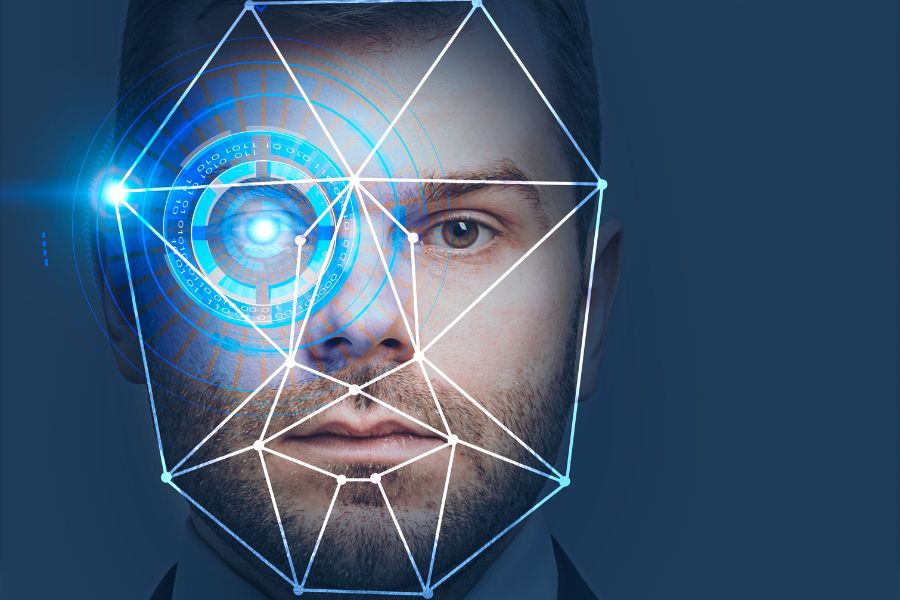
Attackers increasingly use AI to manipulate trust, automate deception, and exploit human decision-making. AI-generated phishing emails are becoming more personalized and convincing. Deepfake technology can imitate voices and video identities. AI chatbots can simulate realistic conversations to collect sensitive information.
These attacks scale rapidly because AI reduces the effort required to launch highly targeted campaigns.
In many cases, the employee becomes the final security control. This means organizations must prepare people not only to identify suspicious emails, but also to safely interact with AI-generated content, automated systems, and intelligent digital assistants.
The Rise of Shadow AI
Shadow AI is becoming one of the fastest-growing concerns in enterprise environments.
Just as shadow IT emerged when employees adopted unauthorized cloud applications, shadow AI refers to employees using AI tools without formal security approval or governance oversight.
This creates several risks:
- Sensitive business data may be exposed to external AI systems
- Employees may unknowingly violate compliance policies
- AI-generated recommendations may influence critical business decisions
- Organizations may lose visibility into how AI systems process information
- Security teams may struggle to audit AI-related activity
Many organizations currently lack centralized visibility into which AI tools are actively being used by employees. This creates a dangerous gap between AI adoption and AI governance.
Why Human Risk Management Matters More Than Ever
Human Risk Management focuses on understanding and reducing security risk created through human behavior, decisions, and interactions with technology.
In the AI era, this approach becomes significantly more important because risk now exists across both human actions and AI-generated outcomes.
A modern Human Risk Management strategy helps organizations:
- Prepare employees to safely engage with AI systems
- Identify risky AI usage patterns across departments
- Improve visibility into AI access and behavior
- Reduce data exposure caused by unsafe AI interactions
- Continuously adapt security training to evolving AI threats
- Strengthen organizational resilience against AI-enabled social engineering
Rather than treating employees as weak points, Human Risk Management treats people as active participants in organizational security resilience.
Why Traditional Security Awareness Training Is No Longer Enough
Many legacy security awareness programs were designed for predictable threats such as phishing emails, password hygiene, and unsafe downloads.
AI changes the threat landscape entirely.
Employees now face AI-generated content that can appear highly trustworthy. AI systems can automate communication patterns, generate realistic business language, and imitate internal workflows. This means static annual awareness training is often insufficient.
Organizations increasingly require adaptive, behavior-driven security education that evolves alongside AI-enabled threats.
Modern approaches may include:
- AI-focused phishing simulations
- Deepfake awareness exercises
- Scenario-based AI security training
- Real-time risk scoring
- Behavior analytics
- Continuous education programs
Security culture must evolve from compliance-focused training toward continuous human risk reduction.
AI Governance Requires Cross-Functional Collaboration
AI risk management cannot be solved by security teams alone.
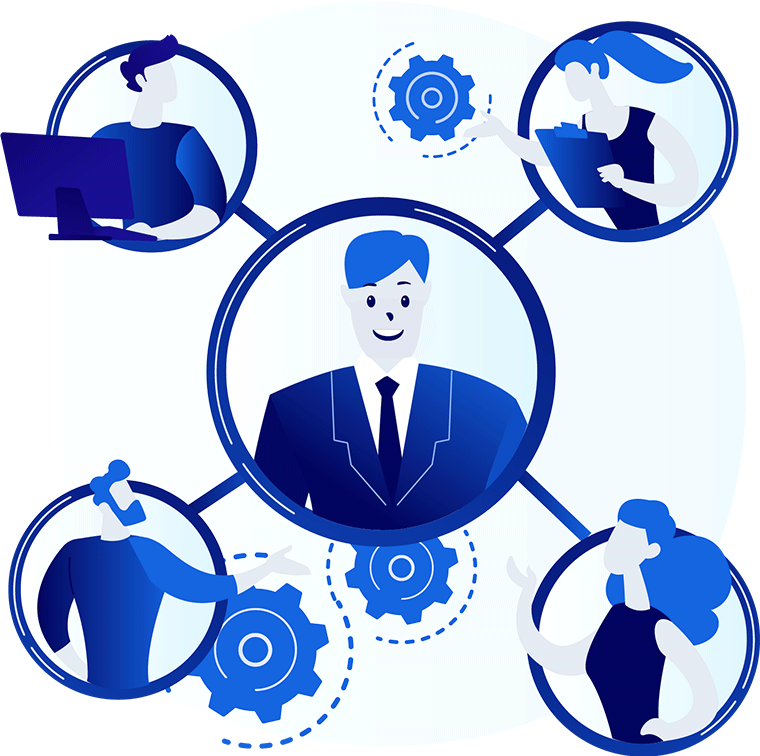
Legal, compliance, HR, IT, executive leadership, and operational departments all play a role in defining how AI systems are adopted and governed.
Organizations need clear policies around:
- Approved AI tools and platforms
- Acceptable AI usage guidelines
- Data privacy requirements
- Human oversight responsibilities
- AI-generated decision validation
- Third-party AI vendor risk management
Without governance alignment, AI adoption can outpace organizational security maturity.
The Future of Cybersecurity Will Include Human and AI Risk Together
Cybersecurity is entering a new phase where technical vulnerabilities and human vulnerabilities are increasingly interconnected.
Organizations can no longer separate technology risk from human behavior. AI systems influence decisions, automate processes, and shape operational outcomes. Employees simultaneously influence how safely those systems are used.
This means future security strategies must evaluate:
- How humans interact with AI
- How AI influences human decisions
- How attackers exploit both simultaneously
Organizations that build visibility, governance, adaptive training, and Human Risk Management into their AI strategy will be better positioned to reduce emerging risks while still benefiting from AI innovation.
Conclusion
AI adoption is accelerating across every industry, but the security conversation is evolving far beyond the technology itself.
The real challenge is not only securing AI systems. It is understanding how AI changes human behavior, operational workflows, decision-making, and organizational risk exposure.
As AI-driven threats continue to evolve, organizations need modern security strategies that combine technology visibility, governance, adaptive education, and Human Risk Management.
The organizations that succeed will not simply deploy AI faster. They will build the resilience needed to manage the complex relationship between people, AI systems, and cybersecurity risk.