12 Best eWallet Software Developers in the United Kingdom
February 6, 2026, 8 min read
Something fascinating happened in the UK payment landscape recently. Over 90% of consumers now tap their phones for payments under £100, and mobile wallet adoption jumped 45% in just the past year. Not gradually increased. Jumped.
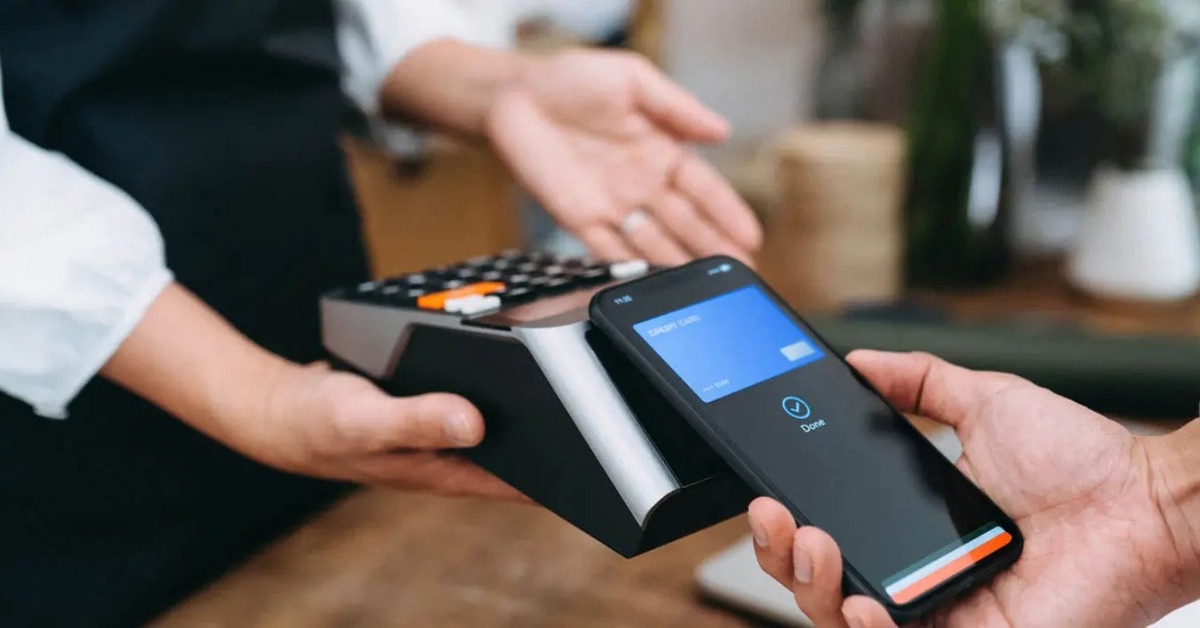
The shift isn’t theoretical anymore—it’s everywhere. Your local coffee shop. The corner store. Even that tiny market stall that only accepted cash two years ago now has a QR code taped to the counter.
But building an eWallet that people actually trust with their money? That’s where things get complicated fast. You need security tight enough to satisfy paranoid security auditors. Integrations with banks that make you question your life choices. FCA compliance that requires reading regulations nobody should have to read. And somehow, through all that complexity, an interface so intuitive your grandmother could use it without calling you for help.
Big ask, right?
If you’re a fintech startup dreaming big or an established bank finally catching up (hey, no shame—some of the biggest banks took forever), your developer choice matters more than almost anything else.
Why UK-Based eWallet Developers Actually Matter
Here’s something most articles won’t tell you straight—building digital wallets in the UK comes with regulatory quirks that’ll catch you completely off guard if your developers haven’t dealt with them before.
The FCA and PSR are currently evaluating whether digital wallet providers properly safeguard consumer funds under Payment Services Regulations 2017. Translation? More regulations might drop any day now, and nobody knows exactly what they’ll look like. Fun times.
Oh, and crypto tax reporting rules just kicked in January 1, 2026. Digital asset providers now collect user data and report to HMRC starting in 2027. The full integrated regulatory framework for cryptoassets? Expected by end of 2026. Building a crypto-enabled wallet without developers who genuinely understand this stuff? That’s a recipe for expensive mistakes.
UK-based developers live and breathe these regulations. They’ve dealt with FCA compliance horror stories. They know what UK consumers expect because… well, they are UK consumers. Plus, having meetings that don’t require someone waking up at 3 AM? Underrated.
Top 12 eWallet Software Developers in the UK
1. DeepInspire
Twenty years building digital products, with over 80% of their work in fintech. That’s not a company dabbling in financial services—that’s a company that decided fintech was their thing and went all in.
Their digital wallet development service shows exactly what I mean. Secure, compliant eWallet apps with that “everything just works” feeling users crave. Seamless bank integration. Multiple payment options. Instant transactions. Budgeting features. Even AI assistance.
Services? Core wallet engine development, open and closed wallets, mobile wallet integration (Apple Pay, Google Pay—the whole ecosystem), P2P transfers, custom payment gateways, cryptocurrency wallets, robust KYC/KYB. It’s comprehensive without being overwhelming.
But honestly, technical capabilities are just the starting point. What genuinely distinguishes https://deepinspire.com/ boutique software company is their working style. Client testimonials mention the same themes repeatedly: they don’t just execute orders blindly. They dig into your actual business problems before touching code. They suggest improvements you never thought to request. They deliver value that drives real ROI, not just features that look good on a spec sheet.
One client who’d worked in development for 30 years called them “the best development team I’ve ever worked with”. That’s high praise from someone who’s seen it all. Another mentioned being impressed by how quickly they understood complex challenges before even diving into code. A former J.P. Morgan Vice Chairman said “I trust them absolutely”—and in finance, trust is earned slowly and lost instantly.
Their process starts with genuinely understanding your business and product vision before building anything. Customer-centered products with intuitive UI/UX, secured properly for personal data and assets. Features span seamless bank integration, contactless payments, transaction history, P2P transfers, budgeting tools, real-time notifications, financial analytics, AML protection, virtual and physical card creation, wearable connectivity, AI chatbot support. That’s a full package.
2. Computools
Twelve-plus years of software engineering, 250+ engineers globally, 400+ custom software products delivered. The numbers are impressive, but here’s what matters: 20+ custom fintech platforms including banks, payment providers, eWallets, crypto solutions, lending systems. And a 98% client retention rate. People don’t stick around if you’re mediocre.
They design end-to-end digital wallet ecosystems—secure transaction engines, smooth onboarding, fraud detection, multi-currency support. Microservice-based architectures built for high-load financial operations, seamlessly integrated with Visa, Mastercard, SWIFT. That’s enterprise-grade stuff.
3. Limeup
Limeup earned recognition for custom eWallet apps with genuinely exceptional UI/UX. Not just “it works” interfaces but ones people enjoy using. They partner with startups and established companies through the complete lifecycle. Being London-based means they get UK market dynamics instinctively, not theoretically.
4. Dev Technosys
Over 14 years building custom eWallet apps throughout the UK. Dev Technosys focuses on unified merchant payment solutions for businesses in London and beyond. They offer consultation, custom development, on-demand solutions, design services, biometric security expertise, real-time notifications. A solid all-rounder.
5. Andersen
Andersen appears consistently in top developer rankings, which doesn’t happen by accident. They’ve tackled various wallet types and payment systems for consumer and enterprise markets. Their multi-regulatory environment experience proves valuable for UK companies eyeing international expansion.
6. Intellias
Intellias brings substantial technical horsepower to eWallet projects. They focus on scalable architectures that grow with your business—critical for startups expecting explosive user acquisition. Portfolio includes established financial institutions navigating messy digital transformations.
7. Netguru
At 900+ people, Netguru has serious scale. They can handle complex eWallet projects while maintaining specialized fintech teams. They’ve worked across payment systems, digital banking, financial management platforms. Their size provides flexibility when timelines suddenly compress and you need more hands yesterday.
8. MobiDev
MobiDev specializes in mobile-first eWallet solutions, which makes sense given how people actually use wallets. Native iOS and Android development alongside cross-platform approaches. Their mobile UX emphasis creates wallets people genuinely want to open, not just tolerate.
9. Innovecs
Innovecs brings product thinking to development, not just technical execution. They work with companies at various stages—early MVPs through enterprise platforms. Their approach emphasizes sustainable architecture that evolves with regulatory changes rather than requiring complete rebuilds.
10. ELEKS
ELEKS built credibility in investment and brokerage software that translates beautifully to eWallet development. They understand security and compliance at the level financial services demand. Their experience integrating gnarly financial systems proves invaluable for wallets needing bank and payment processor connections.
11. Sigma Software
Sigma Software focuses on secure, compliant eWallet solutions with European regulatory expertise. They’ve worked with payment providers and financial institutions navigating PSD2 and other delightful regulations. Technical expertise covers both frontend polish and backend complexity.
12. Appinventiv
Appinventiv operates in the UK with digital wallet, DeFi platform, and personal finance app expertise. They emphasize scalable solutions using microservice architecture and agile methodologies. Work includes both consumer wallets and B2B payment solutions.
Features That Actually Matter in 2026
Two-factor authentication and biometric logins? Not optional. They’re baseline expectations now. Face ID, fingerprint scanning—users assume these exist. Auto-timeouts for inactive sessions, OTP confirmations for sensitive actions—these protect against unauthorized access when someone leaves their phone at the pub.
KYC and AML integration is flat-out mandatory for financial transactions. It prevents fraud, identity theft, money laundering. It keeps regulators happy. PCI-DSS certification becomes required the second you touch credit or debit card information. No exceptions.
User experience features separate winners from also-rans. Seamless bank integration for quick transfers and real-time balances. Contactless payment via NFC technology—because nobody wants to dig through their wallet anymore. Transaction history, P2P transfers, balance checking, budgeting tools, push notifications. The foundational stuff.
Advanced features create differentiation. Financial analytics with visual representations that actually make sense to normal humans. Virtual and physical card creation for flexibility. Wearable device connectivity for accessing transactions on the move. AI chatbot integration offering instant help and personalized recommendations. These features transform a wallet from functional to indispensable.
The UK Digital Wallet Landscape Right Now
Digital wallets are becoming the core customer interface in UK finance. Not supplementary. Core. Businesses (and eventually consumers) will hold and move tokenized deposits and digital currencies through wallet platforms.
The digital pound initiative continues through design, intended to complement cash rather than replace it, distributed via private sector wallets with privacy safeguards. Interesting times.
Mobile wallet integration with Apple Pay, Google Pay, Samsung Pay dominates consumer adoption. These platforms now bundle loyalty programmes, digital receipts, personalized offers—creating comprehensive payment ecosystems extending miles beyond simple transactions. UK businesses recognize mobile wallet compatibility as essential, not a nice-to-have.
London fintech startups lead in mobile-first services combining AI-powered credit scoring with digital wallets. Payment apps are introducing tokens and stablecoins for blockchain-based instant transfers—removing intermediaries, enabling low fees and transparent exchange rates. It fundamentally shifts how apps handle financial operations.
Compliance: The Stuff Nobody Enjoys But Everyone Needs
UK eWallet providers need EMI licenses from the FCA. You need PSD2 compliance including Strong Customer Authentication and consumer protection policies. GDPR governs data handling with strict requirements for consent, storage, deletion rights. Thrilling stuff, really.
Starting January 1, 2026, cryptoasset service providers collect user transaction data under new due diligence rules. During 2027, the first reports covering 2026 get submitted to HMRC. Crypto-enabled wallet? You need systems capturing this data accurately from launch day.
The FCA’s cryptoasset regulation approach applies to activities “in or to” the UK—casting a wider geographical net than traditional assets. Until the complete framework launches (expected end 2026), existing AML requirements, financial promotions regime, and Money Laundering Regulations still apply. Fun fact: they all apply simultaneously. Enjoy!
Actually Choosing Your Development Partner
Look beyond the tech stack slides. Find developers where fintech represents real work, not side projects they mention in sales pitches. Ask about their discovery methodology—top firms invest actual time understanding your business model, audience, regulatory requirements before quoting prices.
Security expertise isn’t negotiable. Encryption, tokenization, secure authentication, fraud detection—these aren’t learn-as-you-go areas. Check their financial integration experience. Banks, payment processors, card networks, KYC providers—connecting these requires specialized knowledge.
Read testimonials carefully. Generic praise (“they were great!”) reveals nothing. Specific examples about proactive suggestions, deep business understanding, genuine investment in success—that reveals how they actually operate. Look for partnerships, not transactions.
Development costs vary wildly—complexity, features, design requirements, platform compatibility, integrations all affect pricing. Discovery phases help determine realistic budgets for your specific needs. Remember: eWallets need ongoing updates for security and features, so factor maintenance into long-term budgets. It’s not build-and-forget.
Frequently Asked Questions
What’s the actual damage for eWallet app development in the UK?
Budget anywhere from £50,000 to £250,000+ depending on complexity, features, design, and integrations. Starting with discovery provides accurate estimates instead of finger-in-the-air guesses. Cheap and secure don’t usually coexist in financial software.
How long until my eWallet is actually live?
Development typically spans 4-9 months covering discovery, design, development, testing, deployment. Regulatory compliance, security implementation, financial integrations add time versus standard apps. Anyone promising an eWallet in 6 weeks is either building something extremely basic or cutting dangerous corners.
Is KYC actually mandatory or just recommended?
Mandatory, full stop. Any eWallet facilitating financial transactions needs KYC to prevent fraud, identity theft, and money laundering while ensuring FCA compliance. Not optional, not negotiable.
Do I really need PCI-DSS certification?
If your app touches credit or debit card information—handles it, stores it, transmits it, looks at it sideways—yes, PCI-DSS is required. Building compliant from the start avoids costly penalties and keeps customer data actually secure. Retrofitting compliance later is expensive and painful.
Can I update my eWallet after launching it?
You’d better—regular updates are essential, not optional. Security measures evolve. Features need adding. Regulations change constantly. Choose developers offering ongoing maintenance and support, not just initial development and goodbye.
Are digital wallets actually safe for UK consumers?
When built with proper compliance and security? Yes, arguably safer than traditional wallets. Two-factor authentication, biometric login, encryption, KYC/AML integration, regulatory compliance provide better protection than leather wallets or sketchy unregulated apps. But “when built properly” carries heavy lifting in that sentence.